Nature & Wildlife Around Tonlé Sap Lake, Cambodia – What Did You See?

About This Discussion
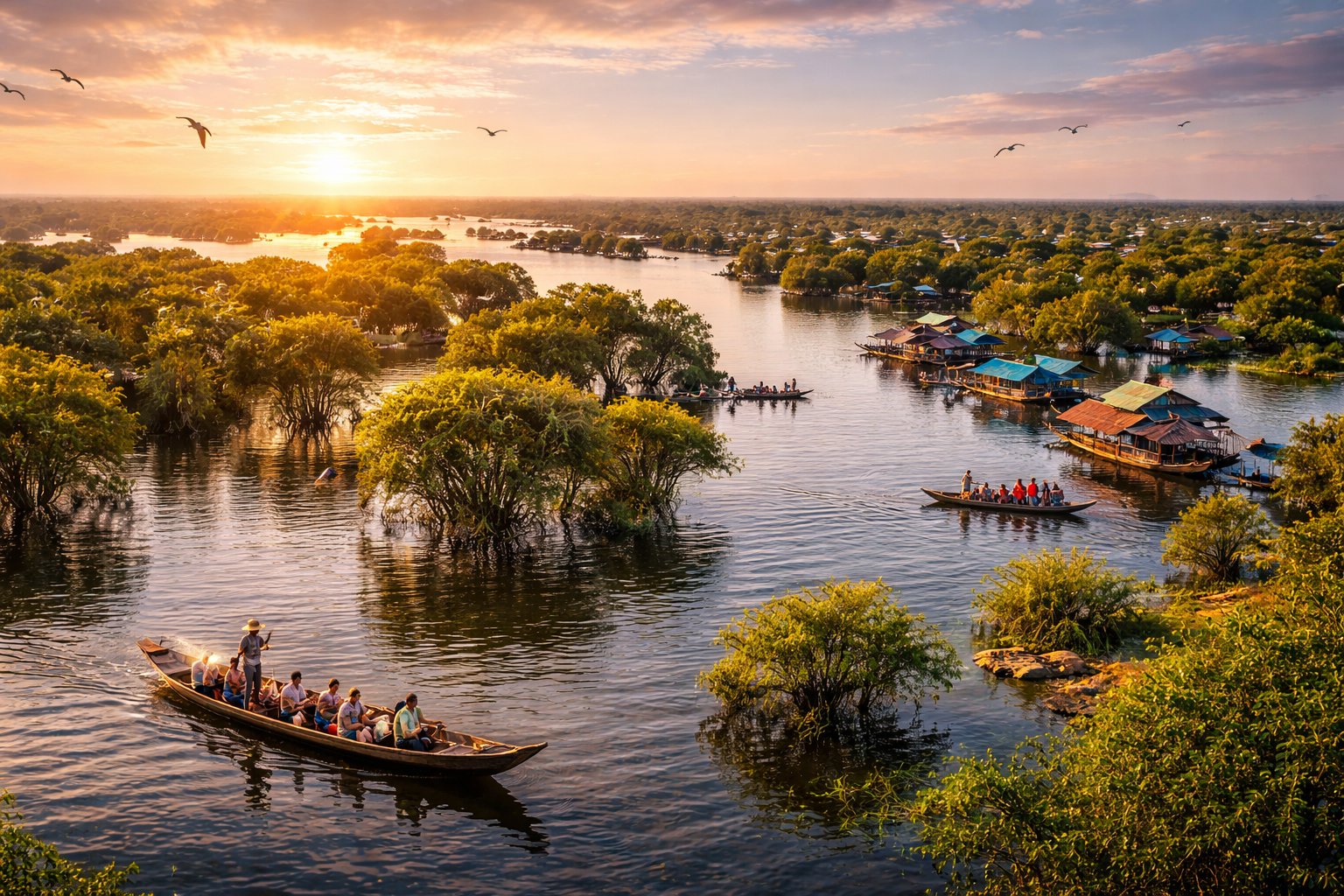
Tonlé Sap Lake in Cambodia is often known for its floating villages, but what fascinated me the most was the natural ecosystem and wildlife surrounding the lake.
As the largest freshwater lake in Southeast Asia, Tonlé Sap changes dramatically with the seasons. During the rainy season, the lake expands and creates vast wetlands that become an important habitat for many species.
While exploring the area, I started noticing just how rich the biodiversity here is.
A Unique Ecosystem in Southeast Asia
Tonlé Sap is part of a remarkable ecological system connected to the Mekong River. Every year, the flow of the Tonlé Sap River reverses during the monsoon, allowing water to flood the surrounding forests.
This seasonal flooding creates one of the most productive freshwater ecosystems in the world.
Because of this, the lake supports:
• Hundreds of fish species
• Flooded forests and wetlands
• Migratory birds and waterbirds
• Reptiles and other freshwater wildlife
For nature lovers, it’s a fascinating place to observe how wildlife adapts to changing water levels.
Birdlife Around the Lake
One of the highlights of Tonlé Sap is its birdlife.
Several protected areas around the lake are known for bird watching, including:
Prek Toal Bird Sanctuary
This is one of the most important bird conservation areas in Southeast Asia.
You may spot species such as:
• Spot-billed pelicans
• Painted storks
• Greater adjutant storks
• Black-headed ibises
During certain seasons, the sky around the wetlands becomes incredibly active with large colonies of birds nesting in the flooded trees.
Life in the Flooded Forest
Another thing that makes Tonlé Sap special is the flooded forest ecosystem.
When the water rises, entire forests become partially submerged. These areas provide shelter and breeding grounds for fish and other aquatic life.
While boating through the lake, I noticed how the trees stood quietly in the water, creating a landscape that feels almost surreal.
It’s peaceful, but also full of life.
A Different Side of Cambodia
Many travelers visit Cambodia mainly for Angkor Wat, but Tonlé Sap offers something very different.
Instead of temples and ancient ruins, you experience:
• Wetland landscapes
• Floating villages
• Wildlife habitats
• Traditional fishing communities
It gives a deeper look into how nature and human life coexist around the lake.
Let’s Discuss
For those who have visited Tonlé Sap Lake:
What wildlife did you see there?
• Did you visit Prek Toal Bird Sanctuary or other conservation areas?
• Were there any interesting birds, fish, or animals you noticed?
• Would you recommend Tonlé Sap for nature and wildlife lovers?
I’d love to hear your experiences and observations. 🌿
Discussion (1)

I didn’t visit Prek Toal Bird Sanctuary, but while boating around Tonlé Sap Lake I still noticed quite a few waterbirds like egrets and herons resting in the flooded trees. Even outside the main conservation areas, the lake already felt rich with wildlife.
Verified Real-World discussion Case Study
This forum thread serves as a community case study for interactive travel planning and local guide alignment. Real travelers share actual itineraries, current transport options, and resident recommendations to support collaborative and secure tourism coordination.
Verified Sources & Geolocation References▼
This discussion guide incorporates details verified against official geolocation databases and international guidelines: