Travel Forums
Share experiences, ask questions, get advice from travelers.
Share your travel experiences, join meetups, and earn LTP tokens that you can cash out directly in USD!
Discovering Hidden Cafés in Paris: Where Do Locals Go for a Quiet Coffee Experience?
Paris is famous for its iconic landmarks, but I found that some of the most memorable moments happen in small hidden cafés away from the busy streets. During my trip to Paris, I enjoyed exploring quiet cafés tucked inside charming neighborhoods, where locals spend their mornings with a cup of coffee, fresh pastries, and good conversations. These places felt more authentic and peaceful compared to the crowded tourist spots. I would love to hear from fellow travelers: Have you discovered any hidden cafés in Paris that offer a unique local atmosphere? ☕✨ Share your favorite spots, the story behind your visit, and any café recommendations for travelers who want to experience the slower side of Paris.
Looking for Local Homestay Recommendations: A Place to Experience Real Local Life
I’m looking for recommendations for local homestays where travelers can truly connect with the local community and experience everyday life. Do you know any homestays where guests can stay with local families, learn about their traditions, enjoy local food, or join community activities? I’d love to hear your personal experiences and hidden gems. Share your favorite local homestay recommendations below! 🌿 Let’s help each other discover more meaningful and authentic travel experiences.
Working Remotely While Traveling: Coffee & Tea Plantation Spots
Hi Locallytrip community! ☕🌿 Have you ever worked remotely while traveling from a coffee or tea plantation? I’d love to hear your experiences and recommendations. Which plantation destination offers the best combination of peaceful scenery, local culture, and a comfortable workspace for remote workers? Share your favorite places and tips with the community!
Have You Experienced the Hidden Beauty of Korea Countryside Travel?
Hi travelers! 👋 I’m curious about your experiences exploring Korea countryside travel beyond the busy streets of Seoul and Busan. For backpackers looking for a more authentic journey, South Korea’s countryside offers peaceful villages, beautiful mountains, local markets, traditional culture, and meaningful connections with local communities. I’m interested to know about your experiences: • Which countryside destination in Korea did you enjoy the most? • Did you stay in a local guesthouse, homestay, or traditional accommodation? • What local food, activity, or cultural experience became your favorite memory? • Do you have any hidden gems or backpacker-friendly places to recommend? I believe traveling through Korea’s countryside allows us to see a different side of the country — a slower pace of life, local traditions, and genuine interactions beyond the popular tourist spots. Share your stories, tips, and recommendations! Let’s help fellow travelers discover the authentic side of South Korea. 🇰🇷✨
Remote Work in Bangkok: Has Anyone Tried Sailing on the Chao Phraya Instead of Another Café?
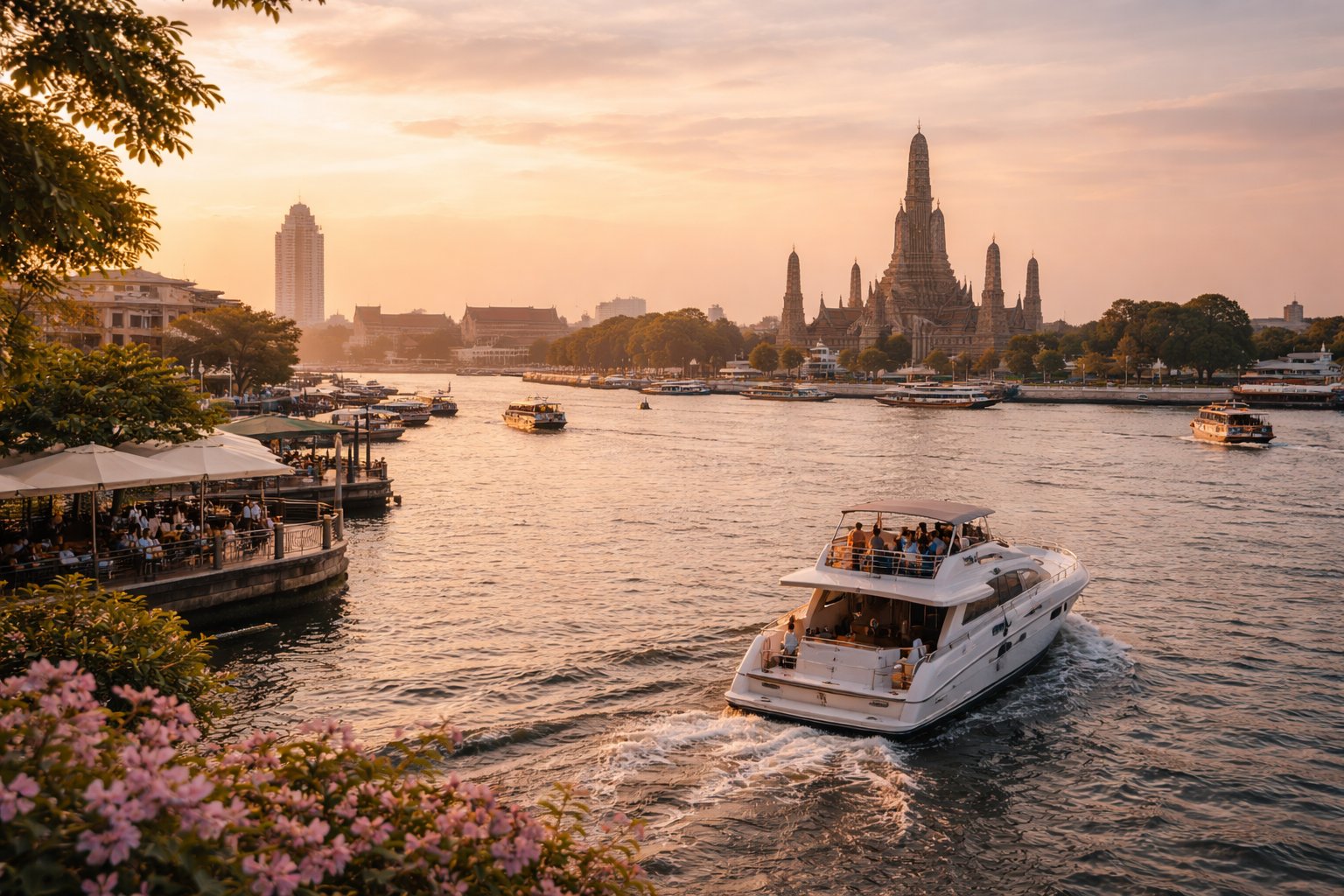
I work remotely while traveling, which usually means my days are spent jumping between cafés, coworking spaces, and wherever the Wi-Fi is strongest. Bangkok is great, but sometimes I feel like I’ve memorized every coffee menu in the city. That’s when I started looking at the Chao Phraya River and thought, what if the break isn’t another latte, but a boat? Laptop Life vs. River Life The river feels like a completely different Bangkok slower, calmer, and less obsessed with notifications. I’m curious whether sailing or yachting here is actually relaxing, or if it just sounds good in theory. Also, honest question: does the city noise disappear once you’re on the water, or does it just follow you… politely? Let’s Talk (and Maybe Laugh a Bit) Would love to hear from you: • Have you tried sailing or yachting on the Chao Phraya? • Is it a peaceful escape or still very “Bangkok energy”? • Would you recommend it to remote workers who need a mental reset? • Any beginner tips or mistakes I should avoid? Share your stories, advice, or even warnings. At this point, I’m just trying not to open another café tab on Google Maps 🚤☕🌊
Miami, USA: Living Between Work and Stillness by the Sea at Vizcaya Museum and Gardens
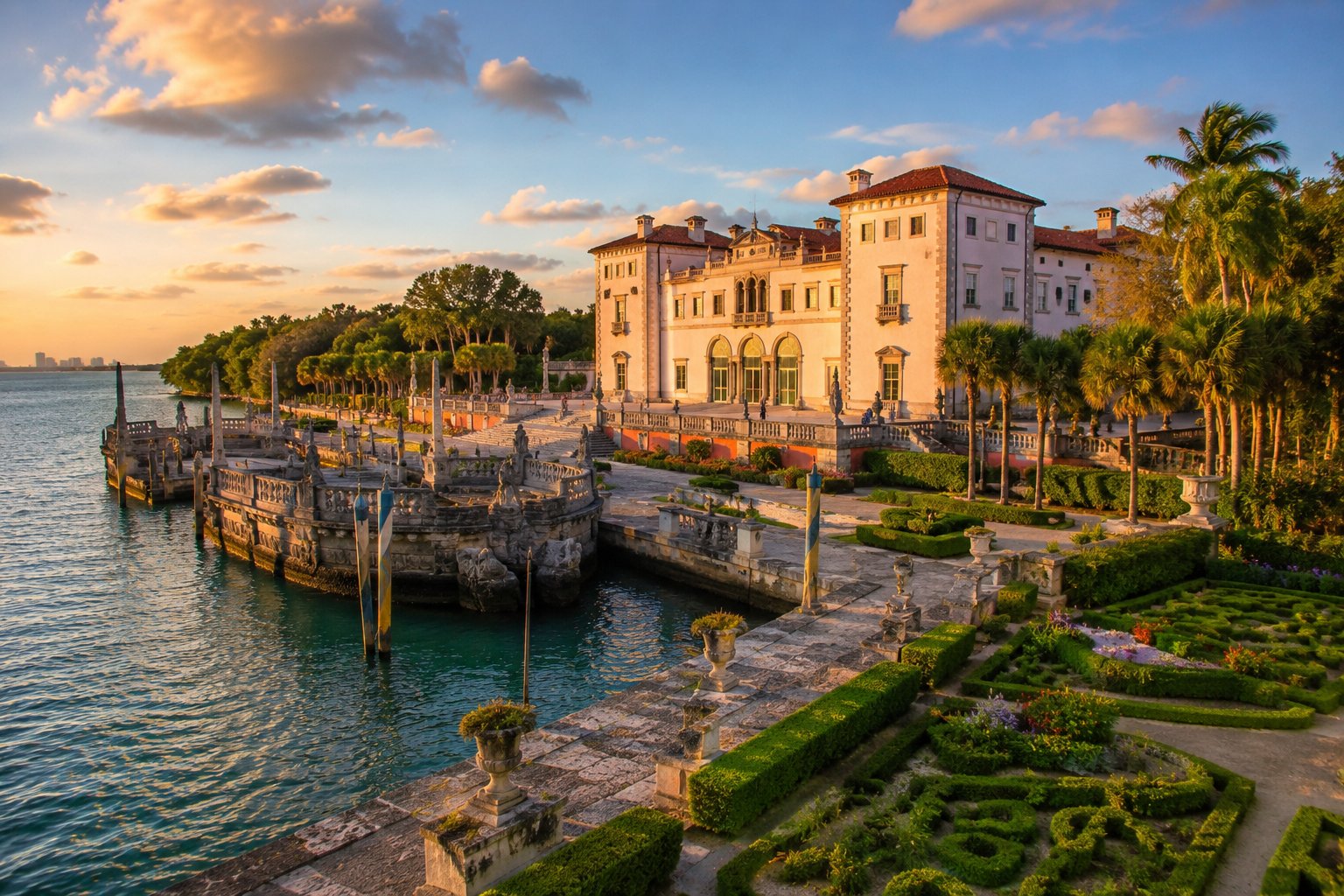
I didn’t come to Miami just to travel. I came because I was tired of moving without feeling anything. So I stayed in a small local homestay in Coconut Grove nothing fancy, just a quiet room, warm morning coffee, and neighbors who always greeted me like I belonged there even when I didn’t. From there, Vizcaya Museum and Gardens became my unexpected workspace escape. Working Days That Don’t Feel Like Work Most mornings, I opened my laptop in a café near Biscayne Bay. After a few hours of remote work, I walked toward Vizcaya. The first time I saw it, I slowed down without realizing. A Renaissance-style villa standing still against the Florida light. Stone walls, symmetrical gardens, fountains that feel like they’ve been flowing forever. It didn’t feel like a tourist spot. It felt like a pause button on the city. Sometimes I answered emails while sitting near the gardens. Sometimes I just closed the laptop and let the silence do its work instead. Living in a Local Homestay, The Real Miami Layer Staying in a hotel would have erased this experience. My homestay host was a retired Cuban-American woman who always insisted I eat before leaving the house. She told stories about Miami before it became “Miami” when it was slower, quieter, more local. At night, the house felt like a soft landing place after long walks and long thoughts. That balance between digital work and human warmth changed how I understood travel. Vizcaya Museum and Gardens, Where Time Feels Imported from Another Century Vizcaya doesn’t look like it belongs in Florida. It looks like it was carried here from Italy and gently placed beside the sea. Walking through it, I noticed: 👉🏻 The stillness of the courtyards 👉🏻 The way the gardens frame the ocean like a painting 👉🏻 The silence between stone pillars And yet, just beyond it, Miami keeps moving fast. That contrast stayed with me more than anything. Travel Tips for Visiting Vizcaya (Digital Nomad Friendly) 📍 Location: Coconut Grove, Miami, Florida, USA 🚆 Transport: 👉🏻 Easily reachable via Uber/Lyft from Downtown Miami or Brickell (10–20 minutes) 👉🏻 Public transport available via Metrobus, but slower 🎟️ Ticket Price: 👉🏻 Around $25–$30 USD per adult 👉🏻 Gardens and villa access included 🕰️ Best Time to Visit: 👉🏻 Morning (less crowd, softer light for photos/work) 👉🏻 Weekdays for quieter atmosphere 🌿 Local Culture Tips: 👉🏻 Miami is culturally diverse (Cuban, Caribbean, Latin American influence is strong) 👉🏻 Small talk is common and friendly 👉🏻 Respect quiet zones inside museum gardens 👉🏻 Tipping culture is expected in cafés and services Discussion - Digital Nomad Life in Places Like This I kept thinking while sitting there: Is productivity always about speed, or can it also come from stillness? If you’ve worked remotely while traveling, I’m curious: 👉🏻 Do you prefer working in nature spots or city cafés? 👉🏻 Have you ever stayed in a local homestay that changed how you see a place? 👉🏻 Would you choose Miami as a slow travel base or just a quick stop? Let’s talk.
Peng Chau & Cheung Chau on a Budget: Quiet Islands, Real Experiences
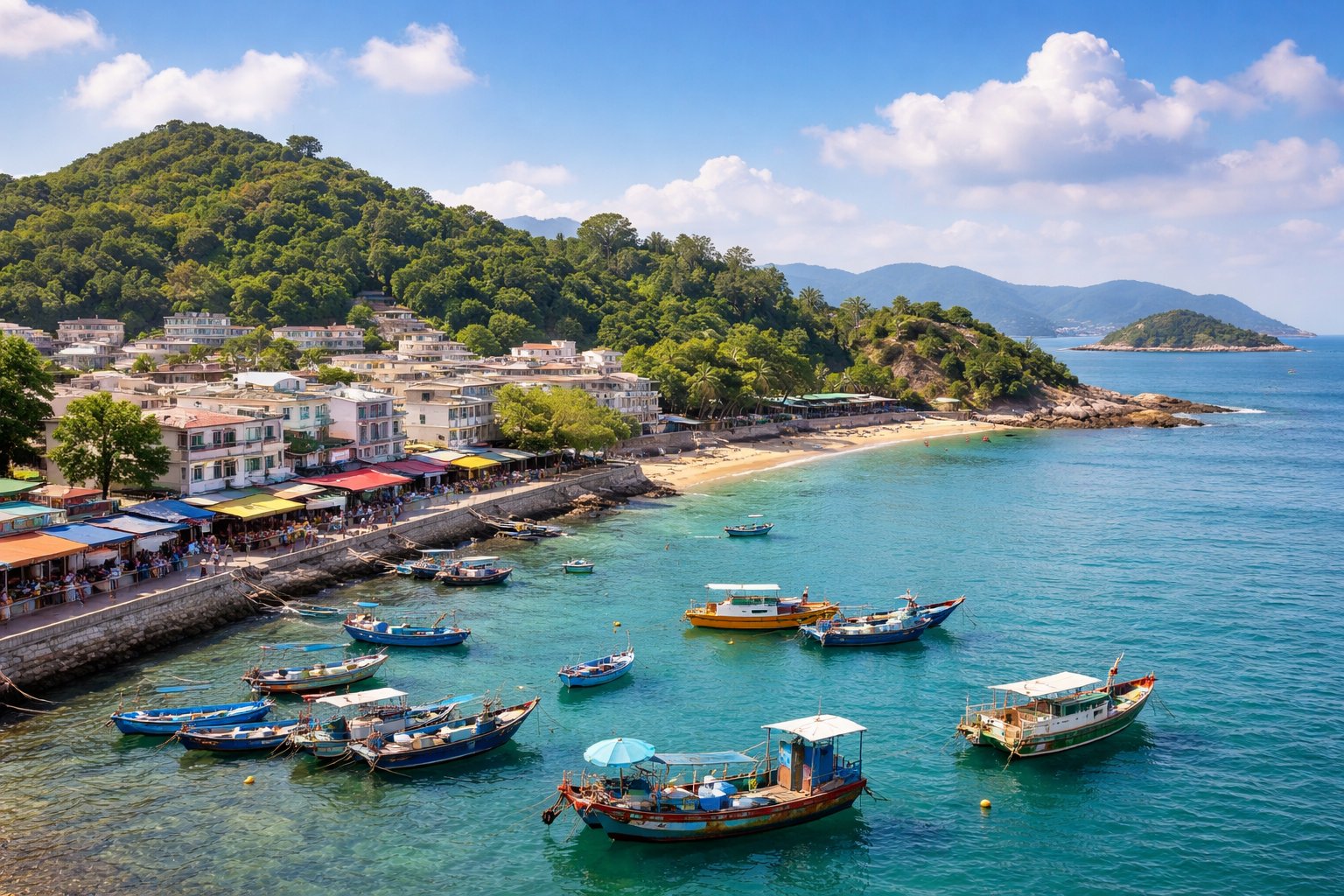
Why These Islands Feel Different If Hong Kong feels too fast, these two islands offer the opposite. Peng Chau and Cheung Chau move slower. No cars. No rush. Just narrow paths, local life, and the sound of the sea. You’ll find: 👉🏻 Small fishing villages 👉🏻 Traditional temples 👉🏻 Coastal hiking trails 👉🏻 Simple, local food It’s not about luxury it’s about atmosphere. Getting There Without Overspending Ferry Tips 👉🏻 Take standard ferries instead of fast ferries (cheaper, slightly longer) 👉🏻 Depart from Central Pier 👉🏻 Octopus card makes everything easier 💡 Tip: Sit by the window the journey itself is part of the experience. What to Do (Low Cost, High Experience) Peng Chau (Quiet & Underrated) Walk the entire island in a few hours Visit Tin Hau Temple Hike to Finger Hill for a simple panoramic view Explore old-style village alleys 👉 Feels more local, less crowded. Cheung Chau (More Lively, Still Chill) Rent a bike or just walk along the coast Visit Cheung Po Tsai Cave Relax at Tung Wan Beach Try street food near the pier 👉 Slightly busier, but more food options. Budget Food Guide Eat Like a Local 👉🏻 Small cha chaan teng (local cafés) = affordable meals 👉🏻 Street snacks in Cheung Chau (fish balls, mango mochi) 👉🏻 Simple seafood dishes without the tourist markup 💡 Tip: Walk a bit away from the ferry pier for better prices. Budget Tips You’ll Actually Use 👉🏻 Bring water & snacks to avoid impulse buying 👉🏻 Wear comfortable shoes (you’ll walk a lot) 👉🏻 Go early to maximize the day (last ferry matters) 👉🏻 No need for tours these islands are easy to explore solo Let’s Talk Have you been to Peng Chau or Cheung Chau? 👉🏻 Which one did you enjoy more? 👉🏻 Any hidden food spots worth trying? 👉🏻 Would you stay overnight or just do a day trip? Curious to hear real experiences 👇
Remote Work at Gardens by the Bay During Sunset — Is It a Good Idea?
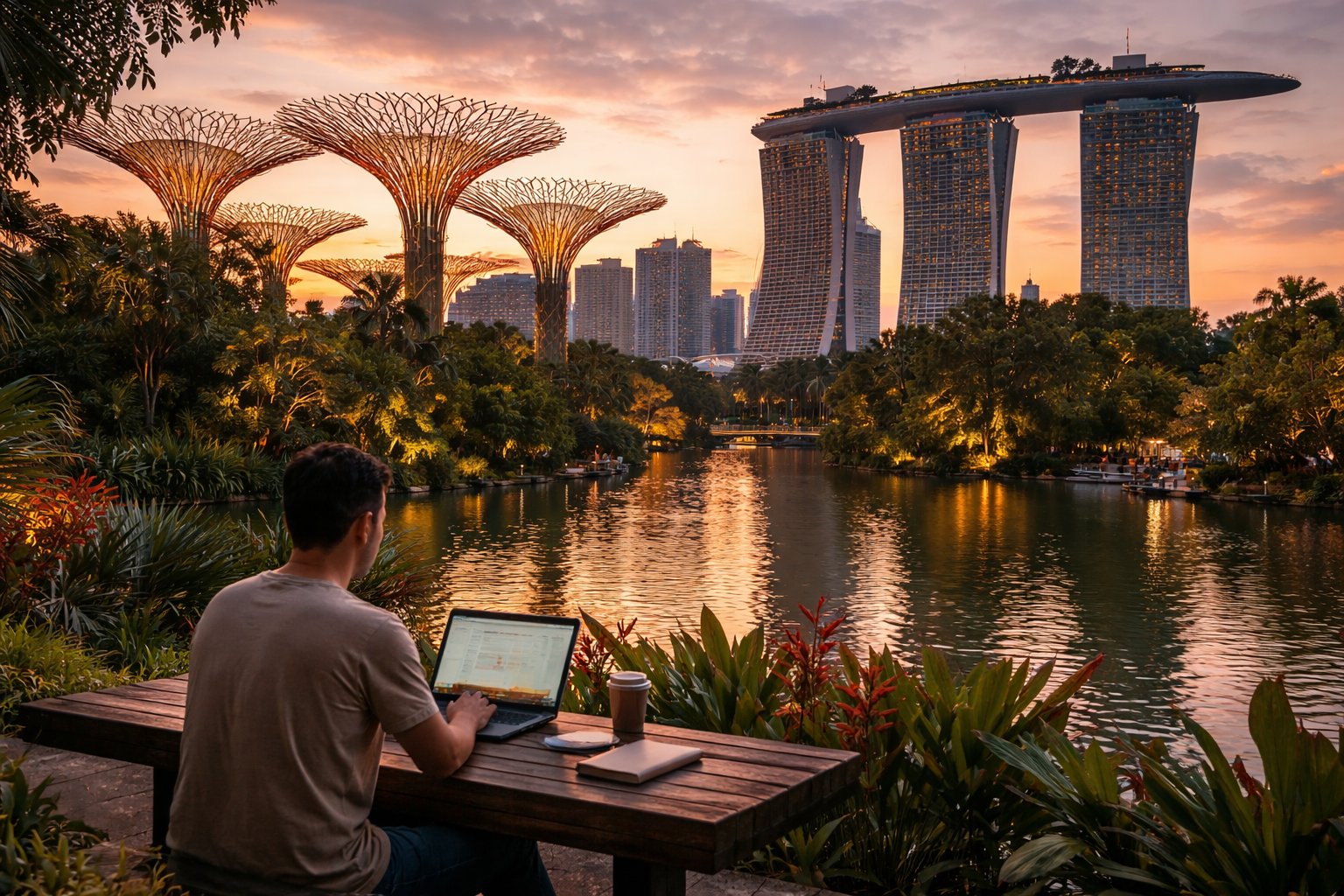
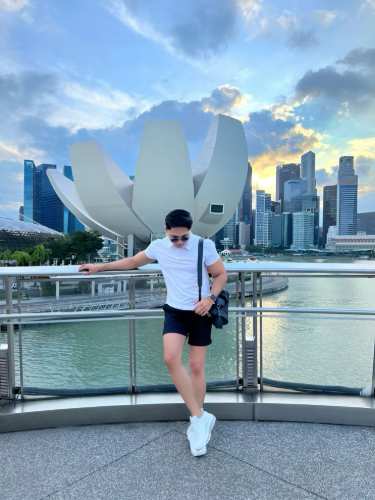
I didn’t plan to work that evening. I just opened my laptop while waiting for the sunset and somehow finished more tasks than expected. Gardens by the Bay during golden hour feels unreal. The sky changes color, the city slows down, and work doesn’t feel as heavy. Working While Watching the Sun Go Down As a digital nomad, I usually work indoors cafés, libraries, coworking spaces. But working outdoors, with Marina Bay in front of me, felt different. What worked for me: • Open space and fresh air • Calm energy before night crowds arrive • Strong mobile data (surprisingly stable) • A mental reset without fully logging off It wasn’t about productivity alone it was about balance. Is It Practical or Just Romantic? Let’s be honest—it’s not a deep-focus setup. This spot works best if: • You’re doing light tasks or emails • You want creative inspiration • You don’t need long calls or meetings For heavy work, I’d still choose indoor spaces. But for winding down while staying connected? It’s worth it. Opening the Discussion Now I’m curious. • Have you ever worked remotely from outdoor public spaces? • Would you choose a scenic spot over productivity? • Any sunset-friendly work spots you’d recommend in Singapore? Let’s talk. 👇
Is The Pade Hotel Banda Aceh a Good Reset Spot for Digital Nomads?
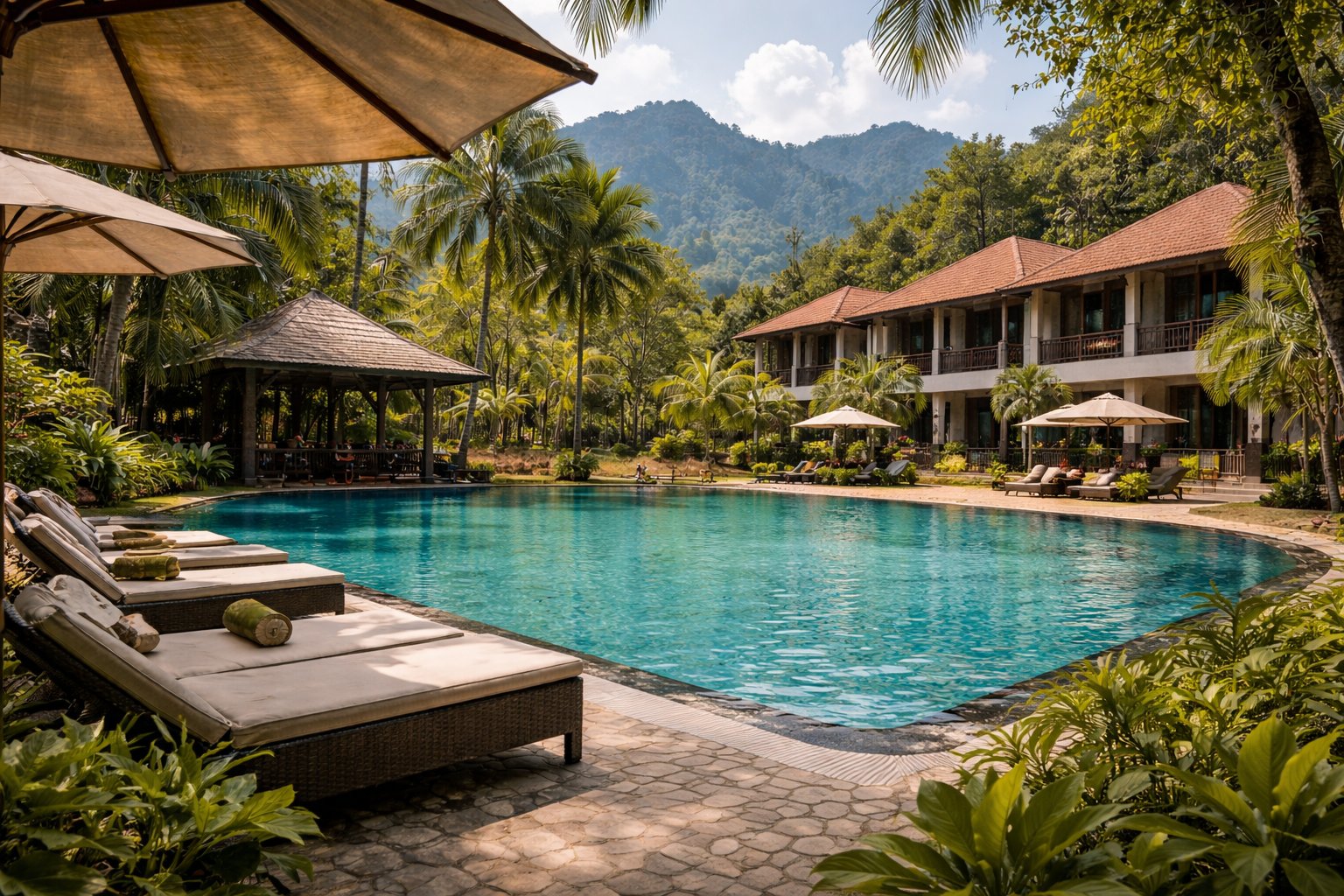
Taking a Break Without Leaving Productivity I recently stayed at The Pade Hotel in Banda Aceh while working remotely, and it felt less like a hotel stay and more like a mental reset. The atmosphere is calm, surrounded by greenery, and far from city noise. It’s not the typical “trendy coworking café” vibe it’s quieter, slower, and more grounded. For digital nomads who sometimes feel overstimulated, this kind of environment hits differently. Work Setup & Comfort Here’s what stood out for me: 👉🏻 Stable WiFi for daily tasks and meetings 👉🏻 Spacious rooms with natural light 👉🏻 Outdoor areas perfect for deep focus sessions 👉🏻 Peaceful surroundings (minimal distractions) It’s not a party destination. It’s more of a slow productivity space. Banda Aceh for Remote Work, Underrated? Banda Aceh isn’t usually on the digital nomad radar like Bali or Chiang Mai. But maybe that’s exactly the point. Lower noise. Fewer crowds. More clarity. I’m curious, 👉🏻 Would you consider Banda Aceh as a short-term remote work base? 👉🏻 What do you prioritize more: community vibe or quiet focus? 👉🏻 Do you think underrated cities are actually better for productivity? Let’s discuss 👇
Remote Work Among Coffee & Tea Fields at Pekerau Hills, New Zealand
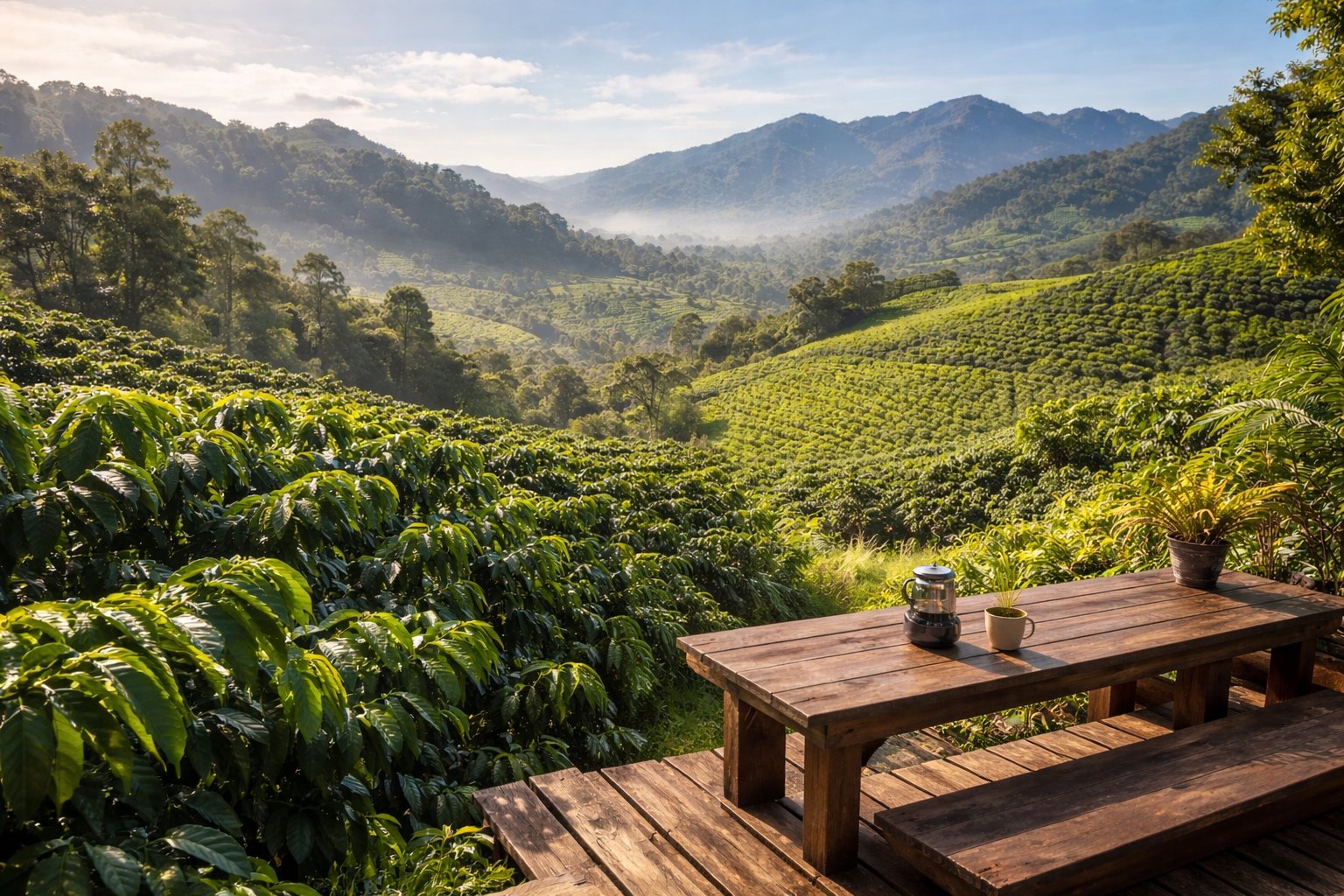
Has anyone here tried working remotely from a coffee or tea plantation? I recently came across Pekerau Hills Coffee Farm in New Zealand, and the idea of combining remote work with plantation life sounds incredibly tempting. I’d love to hear your thoughts and experiences. Why Pekerau Hills Caught My Attention From what I’ve seen, Pekerau Hills offers rolling green landscapes, fresh mountain air, and a peaceful rural atmosphere, far from city noise and distractions. Imagine starting your morning with locally grown coffee, opening your laptop with a view of endless hills, and finishing work just in time for a sunset walk through the plantation. It feels like the perfect blend of productivity and presence. Is It Practical for Remote Work? For those who’ve worked remotely from rural areas in New Zealand: 👉🏻 How reliable is the internet in farm stays like this? 👉🏻 Is the quiet environment actually productive or too isolating? 👉🏻 Would you recommend staying for a few days or at least a week? I’m curious whether the experience is sustainable for full-time remote workers or better suited for a short creative escape. Coffee, Tea & Slow Living Beyond work, the plantation lifestyle itself sounds appealing learning about the coffee-growing process, tasting fresh brews, and possibly exploring tea cultivation as well. Do you think experiences like this genuinely deepen cultural understanding, or are they more of a scenic retreat? Let’s Discuss Would you choose a plantation stay over a typical co-working space in a city like Auckland or Wellington? Is remote work in nature a productivity hack or just romanticized slow travel? Would love to hear your experiences, recommendations, or honest opinions 👇
Nope✓
Lead Moderator & Founder"Hi! I'm Nope, founder of LocallyTrip. I moderate this forum to keep it spam-free and ensure all tips are human-written. Got questions about solo travel or safety? Ask away!"
"Found a partner for Mt. Bromo!"
David coordinated a group climb through the forum, saving 40% on local guide costs and ensuring safety.
Categories
Trending Tags
Community Stats
Top 1% largest global travel networks in 2026.
Community Leaders


Upcoming Meetups


Recommended Experiences
Random Travel Stories