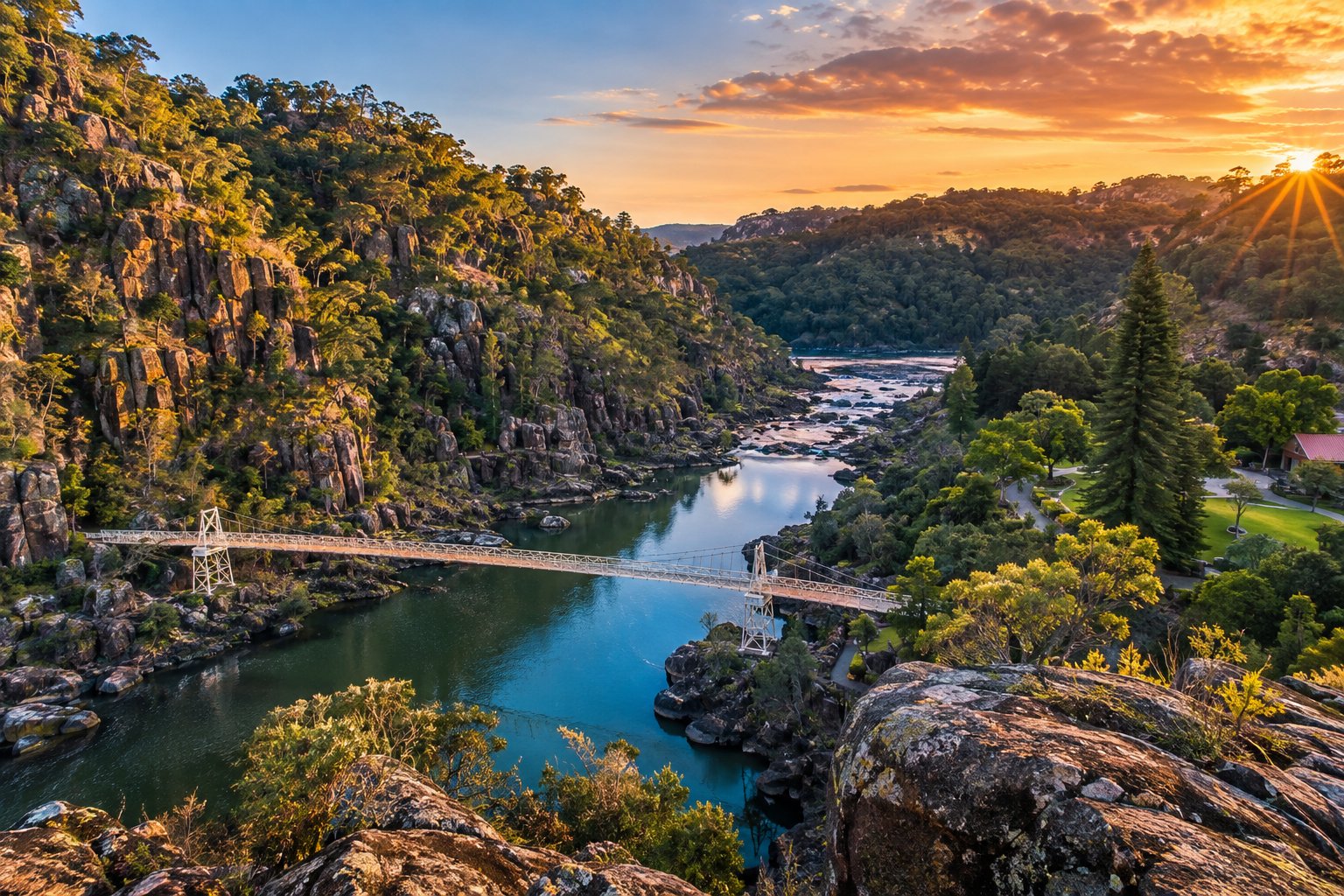
Tasmania, Australia: Where Nature, Heritage and Good Food Slow You Down

1h ago(The Sightseer)
A Slow Journey Through Launceston
There are places you visit for the scenery, and then there are places that quietly become part of your memory. For me, Tasmania was the second kind.
I started my journey in Launceston, a charming city in northern Tasmania where heritage architecture, creative culture and local food seem to exist naturally alongside the wilderness. Locals often call it “Launnie,” and the city feels wonderfully human in scale. I could walk through its historic streets without feeling rushed, passing sandstone buildings, old civic landmarks and quiet laneways that seemed to hold stories from another era.
Launceston is also recognised as a UNESCO City of Gastronomy, reflecting northern Tasmania's strong paddock-to-plate culture.
Walking Through Heritage Streets
One of my favourite parts of the trip was simply walking.
Instead of following a strict itinerary, I wandered through the heritage streets around the city centre, stopping whenever an old building, small café or interesting doorway caught my attention. The architecture creates a beautiful contrast with Tasmania's wild landscapes: elegant old buildings on one side, green hills and waterways on the other.
A heritage walking route is a great way to understand Launceston beyond its tourist attractions. Places such as Albert Hall, Town Hall, Custom House and the Old Bank reveal different layers of the city's history.
What I loved most was the pace. Nobody seemed to be in a hurry.
Cataract Gorge: Wilderness Beside the City
Then came the moment I had been waiting for: Cataract Gorge.
Only a short walk from central Launceston, the gorge felt like stepping through an invisible doorway from the city into the wild. The reserve stretches for around 5 kilometres along the South Esk River, with cliffs, woodland, walking trails and open green spaces. It is also a place of longstanding cultural significance to Palawa Tasmanian Aboriginal communities.
I followed the easy Cataract Walk toward First Basin, listening to the river moving below me. The landscape felt almost unreal ferns, towering trees, rocky cliffs and the cool Tasmanian air surrounding everything.
For something a little more memorable, I took the Gorge Scenic Chairlift. Slowly crossing above the gorge, the chairlift offered a completely different perspective of the river and surrounding cliffs. The ride itself felt wonderfully old-fashioned, almost like travelling through a piece of local history.
Entry to Cataract Gorge Reserve is free. The scenic chairlift has historically been priced at approximately A$10–15 one way or A$12–20 return, although travellers should check current prices before visiting.
A Taste of Tasmania
After spending hours outdoors, I discovered another reason to love northern Tasmania: its food.
Eating here felt less like simply having a meal and more like tasting the landscape itself. Seasonal vegetables, Tasmanian beef, seafood, artisan products and cool-climate wines are deeply connected to the region's agricultural identity.
I especially enjoyed the idea of farm-to-table dining food that doesn't try to hide where it came from. A meal near Cataract Gorge or in Launceston can become part of the travel experience itself.
At the edge of the gorge, for example, Stillwater occupies a restored 1830s flour mill and is known for showcasing fresh local produce.
For me, the most memorable meals were the ones that felt simple: good local ingredients, a warm table, a glass of Tasmanian wine, and enough time to enjoy the conversation.
How to Get There & Move Around
Launceston is one of the easier Tasmanian cities to explore without a car.
If arriving by air, Launceston Airport is located outside the city and connects with Launceston by road. From the city centre, Cataract Gorge can be reached on foot in roughly 15–20 minutes depending on the route. Cycling is another option, while e-scooters and e-bikes are available in parts of Launceston. Public buses operated by Metro Tasmania also serve the wider city.
For exploring rural areas, farms and vineyards beyond Launceston, renting a car can be more practical. The Tamar Valley wine region is also accessible through organised tours.
No matter when you visit, bring layers. Tasmanian weather can change quickly, especially when moving between the city, river and higher outdoor areas.
Travel Tips & Local Etiquette
Tasmania rewards travellers who slow down.
Respect walking tracks and stay on designated paths, especially around sensitive natural areas. Take your rubbish with you, avoid disturbing wildlife and give animals plenty of space.
When visiting Aboriginal cultural sites, approach them respectfully and follow local guidance. Remember that places such as Cataract Gorge are not simply scenic attractions; they also carry deep cultural significance.
And perhaps the most important tip: don't rush your meals.
Talk to local producers when you can. Visit farmers' markets. Try seasonal ingredients. Ask where the food comes from. In northern Tasmania, those small conversations can reveal as much about the destination as any guidebook.
The Memory I Took Home
When I think about Tasmania now, I don't remember just one photograph.
I remember walking beside the river at Cataract Gorge. I remember old sandstone buildings glowing softly in the afternoon. I remember the quiet rhythm of Launceston and the taste of food grown somewhere nearby.
Tasmania taught me that travel doesn't always need to be loud.
Sometimes the most authentic journeys happen slowly one heritage street, one forest trail, one local meal at a time.
And somewhere between the gorge and the old streets of Launceston, I realised that I wasn't simply exploring Tasmania anymore.
I was learning how to slow down.
Practical Travel Tips
- How to get thereMost locations are accessible via central public transport or local taxi apps. Plan your route in advance.
- Best time to visitI would choose **summer, from December to February**, for longer daylight hours and comfortable conditions for walking and outdoor activities. Tasmania's seasons are distinct, however, and autumn can bring beautiful colours while winter offers a quieter atmosphere.
Local Culture
- Always ask for permission before taking photos of local residents.
- Carry small cash for traditional markets or street food vendors.
- Dress respectfully when visiting historical or religious sanctuaries.
Related Stories
No related stories found.
Top Experiences
No experiences found.
Forums Community
Join the forum community.
Upcoming Meetups
No meetups scheduled.
Inspired by this story?
Discover amazing local experiences and read more authentic travel journals from around the world.
Verified Real-World Travel Report
This travel story serves as a real-world case study for neighborhood exploration. The contributor has personally visited the site, verified transportation costs, and documented safety protocols to ensure accurate, resident-verified guidance for future community travelers.
Verified Sources & Geolocation References▼
This travel guide incorporates details verified against official geolocation databases and international guidelines: