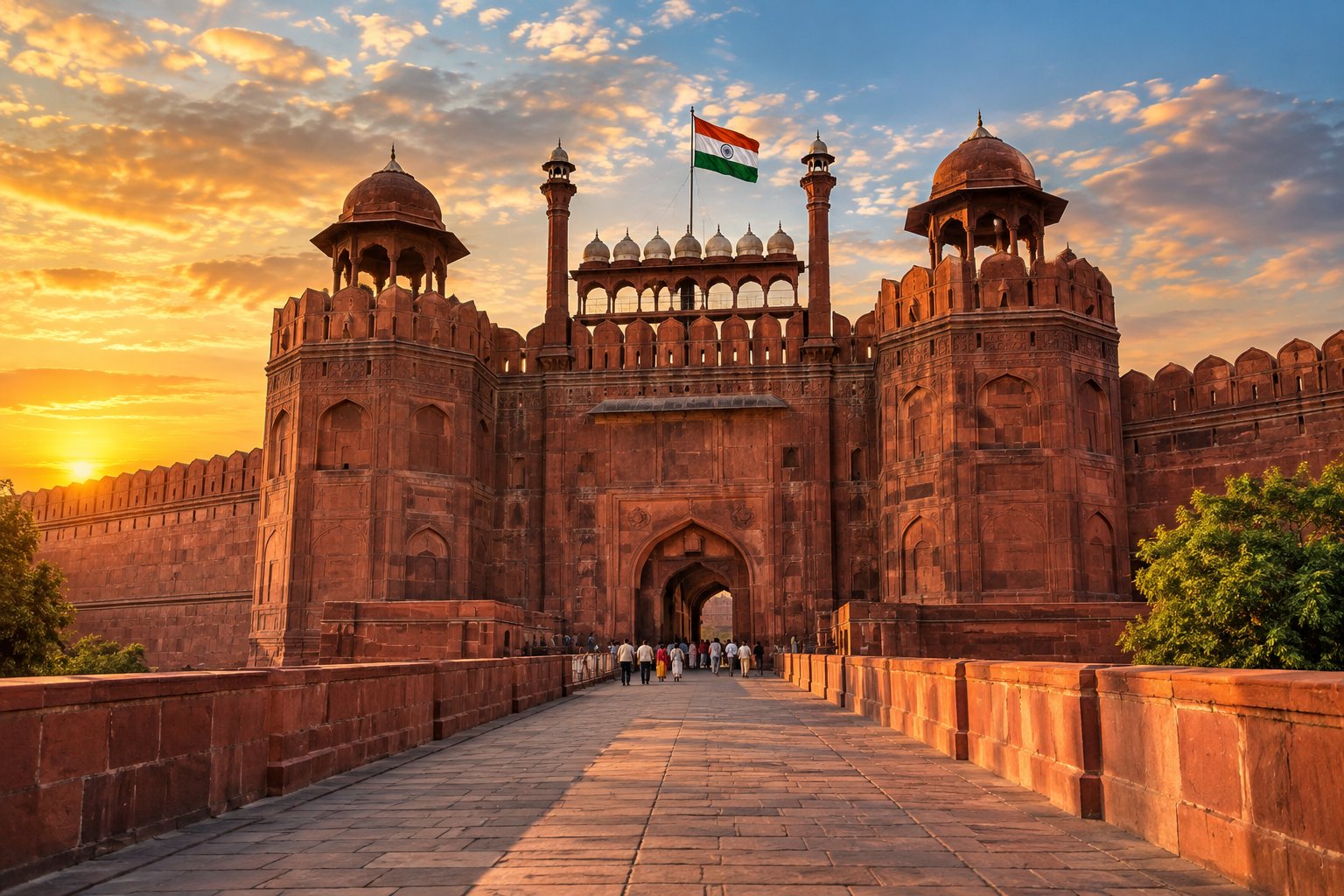
Red Fort, New Delhi/India: Where History Still Breathes Through the Red Walls

2h ago(The Sightseer)
There are places you visit simply to see, and there are places that make you pause and feel. For me, Red Fort in New Delhi was the second kind.
My journey began in the busy streets of Old Delhi, where the sound of rickshaws, conversations, street vendors, and footsteps seemed to create their own rhythm. As I approached Red Fort, the enormous red sandstone walls slowly came into view. Standing in front of them, I felt surprisingly small.
The fort, locally known as Lal Qila, is one of Delhi's most recognizable historical landmarks. Its architecture reflects the grandeur of the Mughal era, while its surroundings reveal the energy of modern Delhi. The Archaeological Survey of India manages the monument and continues to preserve its historical spaces.
Walking Through the Mughal Past
Entering through the grand gates, I found myself slowing down. The atmosphere inside felt completely different from the busy streets outside.
I wandered through the historic courtyards and admired the detailed arches, stonework, and elegant proportions of the Mughal architecture. What I enjoyed most was not simply taking photographs, but imagining the people who once walked through these same spaces centuries ago.
One of the most memorable moments was simply sitting for a while and watching other visitors. Indian families took photographs, children ran excitedly across the courtyard, and travelers from different countries quietly explored the monument.
That mixture of history and everyday human moments made Red Fort feel alive rather than frozen in the past.
Experiencing Old Delhi Beyond the Fort
After exploring the fort, I recommend walking around Old Delhi rather than immediately leaving the area. The streets around Chandni Chowk offer a completely different experience.
You can explore local markets, try traditional Indian food, stop for chai, or simply observe daily life. The contrast is fascinating: inside the fort, everything feels calm and monumental; outside, Delhi feels energetic, crowded, colorful, and wonderfully chaotic.
For me, this contrast became one of the most authentic parts of the journey.
How to Reach Red Fort
Red Fort is located in Old Delhi and is relatively easy to reach using Delhi's public transportation network.
The Delhi Metro is one of the most convenient options. Chandni Chowk and Lal Qila metro stations provide access to the Old Delhi area, followed by a short walk or local transport depending on your route.
Auto-rickshaws and taxis are also widely available. If you are staying elsewhere in New Delhi, using the metro can help you avoid some of the area's heavy traffic.
I personally recommend arriving in the morning, when the temperature is more comfortable and the light is beautiful for photography. It also gives you more time to explore Old Delhi afterward.
Before visiting, check the latest opening information and ticket availability through official sources because monument access and visiting arrangements can change.
Ticket Price and Travel Costs
Red Fort requires an entrance ticket, with different rates for Indian and international visitors and potentially separate charges for certain attractions or services.
Because ticket prices can change, I recommend checking the latest official Archaeological Survey of India information or the authorized ticketing platform before your visit rather than relying on an old price found online.
Beyond the entrance ticket, you should budget for transportation, food, and optional local experiences around Old Delhi.
Cultural Tips for Visiting Red Fort
Red Fort is a historical and culturally significant place, so respectful behavior is important.
Dress comfortably but respectfully, especially when visiting other cultural or religious sites during the same trip. Avoid touching or climbing historical structures unless specifically permitted.
Bring water, wear comfortable walking shoes, and be prepared for crowds. Most importantly, take your time. Red Fort is not a place I would recommend rushing through just to collect photographs.
A Quiet Moment in a Busy City
When I finally left Red Fort, Delhi was still moving at full speed around me.
Rickshaws passed by. Vendors called out to customers. People hurried through the streets. Yet I carried a different feeling with me.
Red Fort reminded me that travel is not only about discovering beautiful places. Sometimes, it is about standing somewhere that has witnessed generations of people, cultures, celebrations, conflicts, and ordinary lives.
The red walls remained behind me as I continued through Old Delhi, but the feeling stayed.
If you are traveling to New Delhi, I would make time for Red Fort not simply as another attraction on a sightseeing list, but as a place to slow down, listen to the atmosphere, and let India's history become part of your own journey.
Practical Travel Tips
- How to get thereMost locations are accessible via central public transport or local taxi apps. Plan your route in advance.
- Best time to visitThe most comfortable period to explore Delhi is generally during the **cooler months from October to March**. The weather is usually more pleasant for walking and sightseeing.
Local Culture
- Always ask for permission before taking photos of local residents.
- Carry small cash for traditional markets or street food vendors.
- Dress respectfully when visiting historical or religious sanctuaries.
Related Stories
No related stories found.
Top Experiences
No experiences found.
Forums Community
Join the forum community.
Upcoming Meetups
No meetups scheduled.
Inspired by this story?
Discover amazing local experiences and read more authentic travel journals from around the world.
Verified Real-World Travel Report
This travel story serves as a real-world case study for neighborhood exploration. The contributor has personally visited the site, verified transportation costs, and documented safety protocols to ensure accurate, resident-verified guidance for future community travelers.
Verified Sources & Geolocation References▼
This travel guide incorporates details verified against official geolocation databases and international guidelines: