Pigeon Island National Park, Trincomalee, Sri Lanka: Where the Ocean Made Me Slow Down

2h ago(The Sightseer)
There are places that make you take photos, and there are places that make you forget to take them.
For me, Pigeon Island National Park in Trincomalee, Sri Lanka, was the second kind.
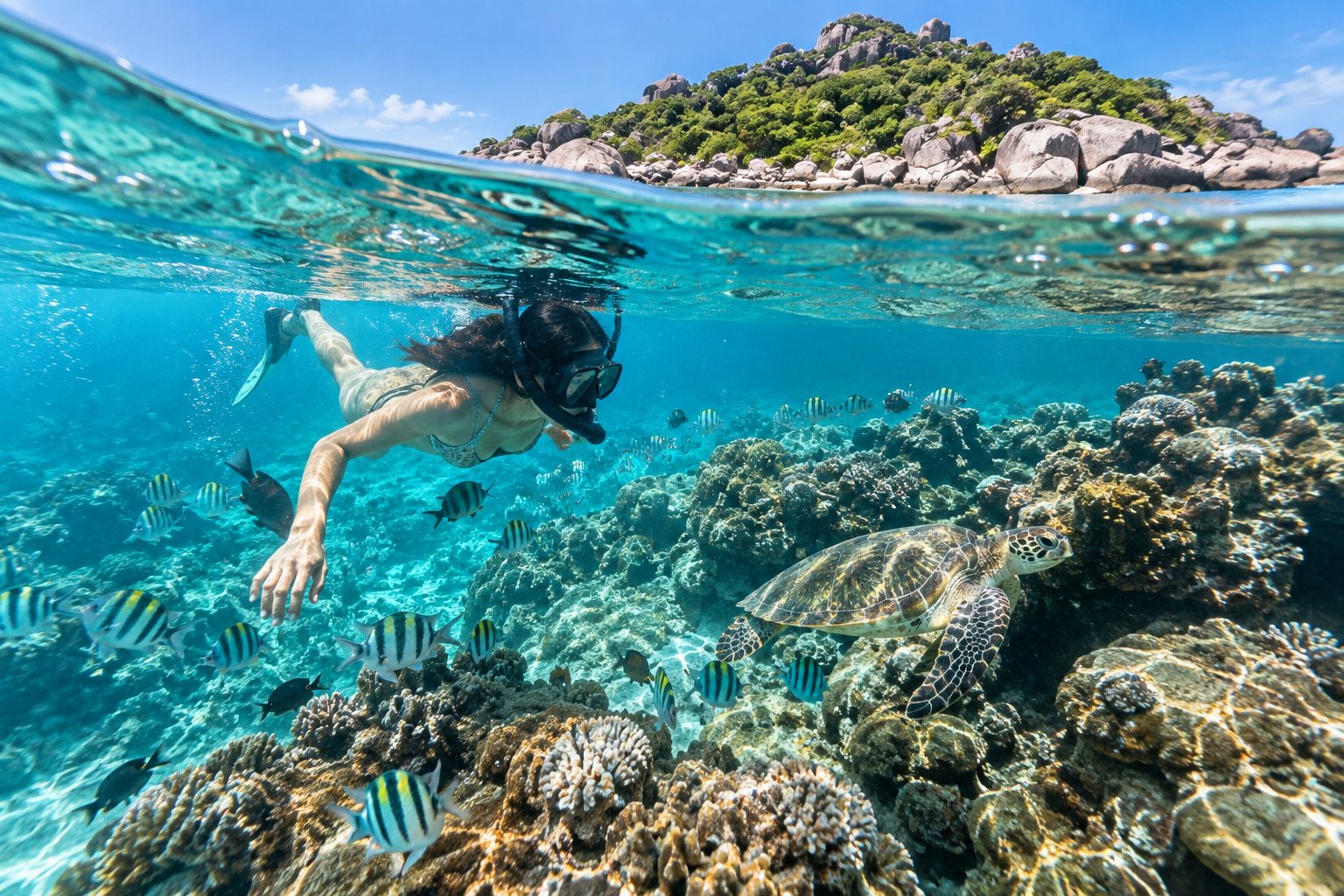
I started the day early from the Trincomalee area and headed toward Nilaveli Beach, the usual departure point for boats to Pigeon Island. From the beach, I joined a local boat and crossed the calm blue waters of the Indian Ocean. Pigeon Island lies just offshore from Nilaveli and is known for its coral reefs, colorful reef fish, sea turtles, and blacktip reef sharks.
Snorkeling in Pigeon Island
The moment I slipped into the water, everything became quieter.
Below me was another world coral gardens moving gently with the current, tiny fish swimming between the rocks, and sunlight breaking through the surface in golden patterns.
The highlight was seeing marine life in its natural environment. Pigeon Island is home to an impressive variety of coral and reef fish, while turtles and blacktip reef sharks can also be encountered in the shallow waters.
I remember floating there for a while without saying anything. It was just me, the sound of my own breathing through the snorkel, and the enormous blue ocean surrounding me.
A Morning Underwater
I would recommend going in the morning, when the water is generally calmer and underwater visibility can be better. The dry season on Sri Lanka's northeast coast is particularly favorable for snorkeling, although weather and sea conditions should always be checked before going.
One thing I learned quickly: never stand on the coral. It may look strong, but coral is incredibly fragile. I also avoided touching marine animals and kept a respectful distance whenever I encountered them.
That small effort feels important when visiting a protected marine ecosystem.
From Coral Reefs to Colonial History
After returning to the mainland, I wanted to experience another side of Trincomalee.
I walked through Fort Frederick, a historic fortification originally built by the Portuguese in the 17th century and later rebuilt and controlled by other colonial powers. Today, it remains an important part of Trincomalee's historical landscape.
Walking through the old fort felt completely different from snorkeling that morning.
The sound of waves was replaced by footsteps, old walls, tropical trees, and glimpses of everyday life around the historic area. I could feel how deeply Trincomalee's identity is connected to both its coastline and its complicated history.
I also passed toward Koneswaram Temple, one of the area's significant cultural and religious landmarks. Trincomalee is a place where beaches, colonial history, Hindu traditions, fishing communities, and everyday Sri Lankan life exist side by side.
Ocean Sunset and Local Seafood
By late afternoon, I went back toward the coast.
The sky slowly changed from blue to soft orange, then pink and gold. I sat near the ocean and watched the sun disappear over the horizon.
After a day in the water, nothing sounded better than seafood.
I chose a simple local seafood meal fresh fish, prawns, rice, vegetables, and Sri Lankan-style spices. It wasn't a fancy dinner, and that was exactly what made it special. The flavors felt connected to the place: warm, spicy, fresh, and uncomplicated.
As the evening breeze came in, I realized that my favorite part of the day wasn't necessarily the snorkeling, the fort, or even the sunset.
It was how naturally they all connected.
The ocean in the morning.
History in the afternoon.
Seafood by sunset.
And somehow, Trincomalee made an ordinary travel day feel like something I wanted to remember for a very long time.
Practical Information
How to Get to Pigeon Island
The easiest way to reach Pigeon Island National Park is to travel to Nilaveli Beach and arrange a local boat transfer from there. Boat trips are generally organized by local operators, and snorkeling equipment may also be available for rent.
From Trincomalee town, you can use a tuk-tuk, taxi, or local transport to reach Nilaveli Beach.
Entrance Fee and Boat Cost
Prices can change depending on the season, operator, and current park regulations. Current travel information lists foreign visitor entrance fees and separate boat/service charges, while some 2026 tour packages combine park admission, boat transport, and snorkeling equipment. I recommend confirming the total price directly at Nilaveli before boarding.
Always check the weather and sea conditions before booking a boat.
Cultural and Environmental Tips
Respect local religious places by dressing modestly, especially around temples.
At Pigeon Island, treat the reef as a protected ecosystem. Don't touch coral, don't stand on it, don't chase turtles or sharks, and avoid leaving plastic or other waste behind.
Most importantly, listen to local boat guides. They understand the sea conditions and know which areas are safe for snorkeling.
Final Thoughts
My day in Trincomalee reminded me why I love slow travel.
I came for the snorkeling, but I left with much more memories of turquoise water, old colonial walls, warm Sri Lankan food, a fading sunset, and the quiet feeling of being somewhere that still feels deeply connected to its land and sea.
Sometimes the most beautiful travel stories don't happen when we rush from one attraction to another.
Sometimes they happen when we simply stop, breathe, and let the ocean stay in front of us a little longer.
Practical Travel Tips
- How to get thereMost locations are accessible via central public transport or local taxi apps. Plan your route in advance.
- Best time to visitThe **May–September period** is generally considered a favorable season for the northeast coast, with calmer conditions and good snorkeling visibility. Morning trips are particularly appealing because the sea can be calmer and underwater light is beautiful.
Local Culture
- Always ask for permission before taking photos of local residents.
- Carry small cash for traditional markets or street food vendors.
- Dress respectfully when visiting historical or religious sanctuaries.
Related Stories
No related stories found.
Top Experiences
No experiences found.
Forums Community
Join the forum community.
Upcoming Meetups
No meetups scheduled.
Inspired by this story?
Discover amazing local experiences and read more authentic travel journals from around the world.
Verified Real-World Travel Report
This travel story serves as a real-world case study for neighborhood exploration. The contributor has personally visited the site, verified transportation costs, and documented safety protocols to ensure accurate, resident-verified guidance for future community travelers.
Verified Sources & Geolocation References▼
This travel guide incorporates details verified against official geolocation databases and international guidelines: