Kodingareng Keke Island, Makassar Indonesia: A Hidden Blue Paradise Where Time Slows Down

August 5, 2026(The Sightseer)
A Small Island That Made Me Forget About Time
There are moments during a journey when everything suddenly feels quieter. No busy streets, no endless notifications, and no rush to follow a schedule. I found that feeling when I stepped onto Kodingareng Keke Island, a small uninhabited island located in the Sangkarrang Islands District, Makassar, South Sulawesi.
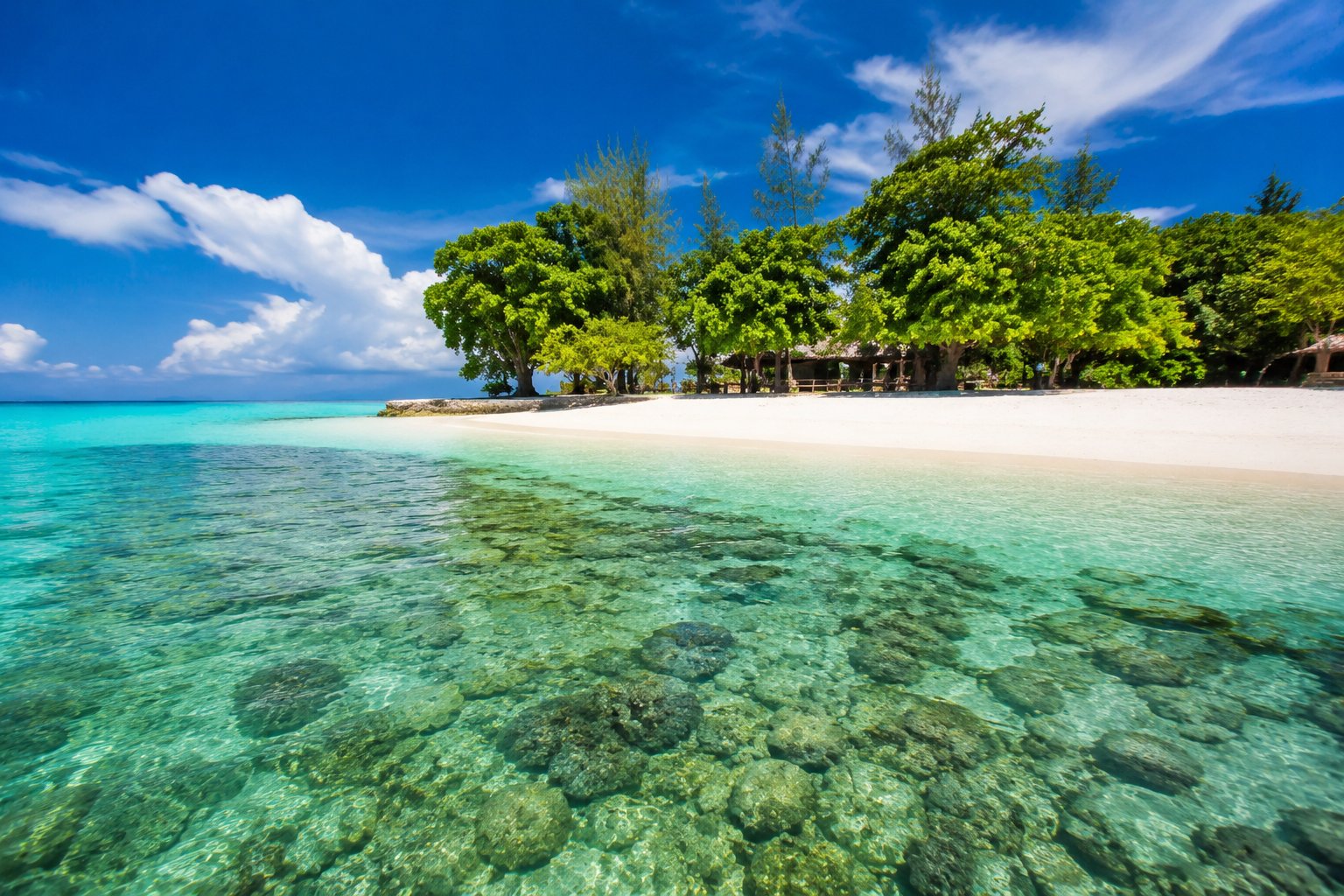
Located around 14 kilometers from Losari Beach, Kodingareng Keke is one of the hidden tropical gems near Makassar. The island is not large, and there are no luxury resorts or crowded tourist facilities. Instead, it offers something much simpler: white sand, clear turquoise water, and a peaceful atmosphere that allows visitors to reconnect with nature.
When my boat slowly approached the island, I could already see the beauty beneath the surface. The ocean was so transparent that the coral formations and small fish were visible even before I entered the water. It felt like discovering a secret place that had been carefully protected by the sea.
My Journey to Kodingareng Keke Island
Leaving Makassar Behind and Starting the Sea Adventure
My journey began from Makassar city in the morning. I traveled to the harbor area where local boats usually depart toward the small islands around Makassar. The boat ride took approximately 40–60 minutes, depending on weather and sea conditions.
During the trip, I watched the coastline slowly disappear behind me. The sound of the waves, the warm sea breeze, and the endless blue horizon created a peaceful feeling that was difficult to find in the city.
The journey itself became part of the experience. Instead of simply moving from one destination to another, the boat ride gave me time to slow down and appreciate the beauty of the ocean.
Discovering the Beauty of Kodingareng Keke Island
White Sand, Clear Water, and Untouched Marine Life
The first thing that caught my attention was the island’s beautiful white sand. Unlike many popular beaches that are filled with crowds, Kodingareng Keke still feels natural and quiet.
Walking barefoot along the shoreline, I could feel the soft sand beneath my feet while listening to the gentle sound of waves. The island does not have many buildings, making the landscape feel raw and authentic.
The biggest attraction of Kodingareng Keke is its underwater beauty. I spent time snorkeling in the clear water and discovered colorful coral reefs, small tropical fish, and a peaceful underwater world that felt untouched.
For me, snorkeling here was not only about seeing marine life. It was about experiencing a different rhythm of life, where everything moved slowly and naturally.
A Quiet Island Escape Away From The Crowds
Why Kodingareng Keke Feels Special
What makes Kodingareng Keke different from other islands around Makassar is its peaceful atmosphere. Because it is still less crowded, visitors can enjoy the island without feeling overwhelmed by tourism.
I remember sitting near the beach in the afternoon, watching the changing colors of the ocean while enjoying a simple meal brought from the mainland. There was nothing complicated about that moment, but it became one of the most memorable parts of my trip.
The island reminded me that beautiful travel experiences do not always require expensive destinations. Sometimes, the most meaningful places are the ones that allow us to simply be present.
Travel Tips for Visiting Kodingareng Keke Island
Transportation Guide
To reach Kodingareng Keke Island, travelers usually need to take a boat from Makassar. Most visitors depart from local harbors such as Popsa Harbor or other nearby boat departure points.
Transportation options:
For a better experience, I recommend arranging transportation with local boat operators in advance, especially during weekends and holidays.
During this period:
Morning departures are highly recommended because the ocean conditions are usually calmer, and visitors can enjoy more time exploring the island.
Entrance Fee and Travel Budget
Kodingareng Keke Island does not usually have a fixed entrance ticket because it is an open natural destination.
Estimated travel costs:
Respecting Local Culture and Nature
Travel Responsibly in Kodingareng Keke
Although Kodingareng Keke is a natural island, it is important to respect the local environment and communities.
During my visit, I learned that small islands depend heavily on the ocean ecosystem. Simple actions can make a big difference:
Traveling responsibly helps ensure that places like Kodingareng Keke remain beautiful for future generations.
Final Reflection: A Memory Written by The Sea
My visit to Kodingareng Keke Island was more than just a beach trip. It was a reminder that nature has its own way of slowing us down.
Standing on the white sand, surrounded by clear blue water and endless sky, I realized that some destinations are not about how many activities we complete, but about how deeply we experience each moment.
Kodingareng Keke may be a small island, but it carries a big feeling a feeling of peace, simplicity, and connection with nature.
For travelers searching for a quiet island escape near Makassar, this hidden paradise is a place worth discovering.
Practical Travel Tips
- How to get thereMost locations are accessible via central public transport or local taxi apps. Plan your route in advance.
- Best time to visitThe best time to visit Kodingareng Keke Island is during the dry season, usually from April to October.
Local Culture
- Always ask for permission before taking photos of local residents.
- Carry small cash for traditional markets or street food vendors.
- Dress respectfully when visiting historical or religious sanctuaries.
Related Stories
No related stories found.
Top Experiences
No experiences found.
Forums Community
Join the forum community.
Upcoming Meetups
No meetups scheduled.
Inspired by this story?
Discover amazing local experiences and read more authentic travel journals from around the world.
Verified Real-World Travel Report
This travel story serves as a real-world case study for neighborhood exploration. The contributor has personally visited the site, verified transportation costs, and documented safety protocols to ensure accurate, resident-verified guidance for future community travelers.
Verified Sources & Geolocation References▼
This travel guide incorporates details verified against official geolocation databases and international guidelines: