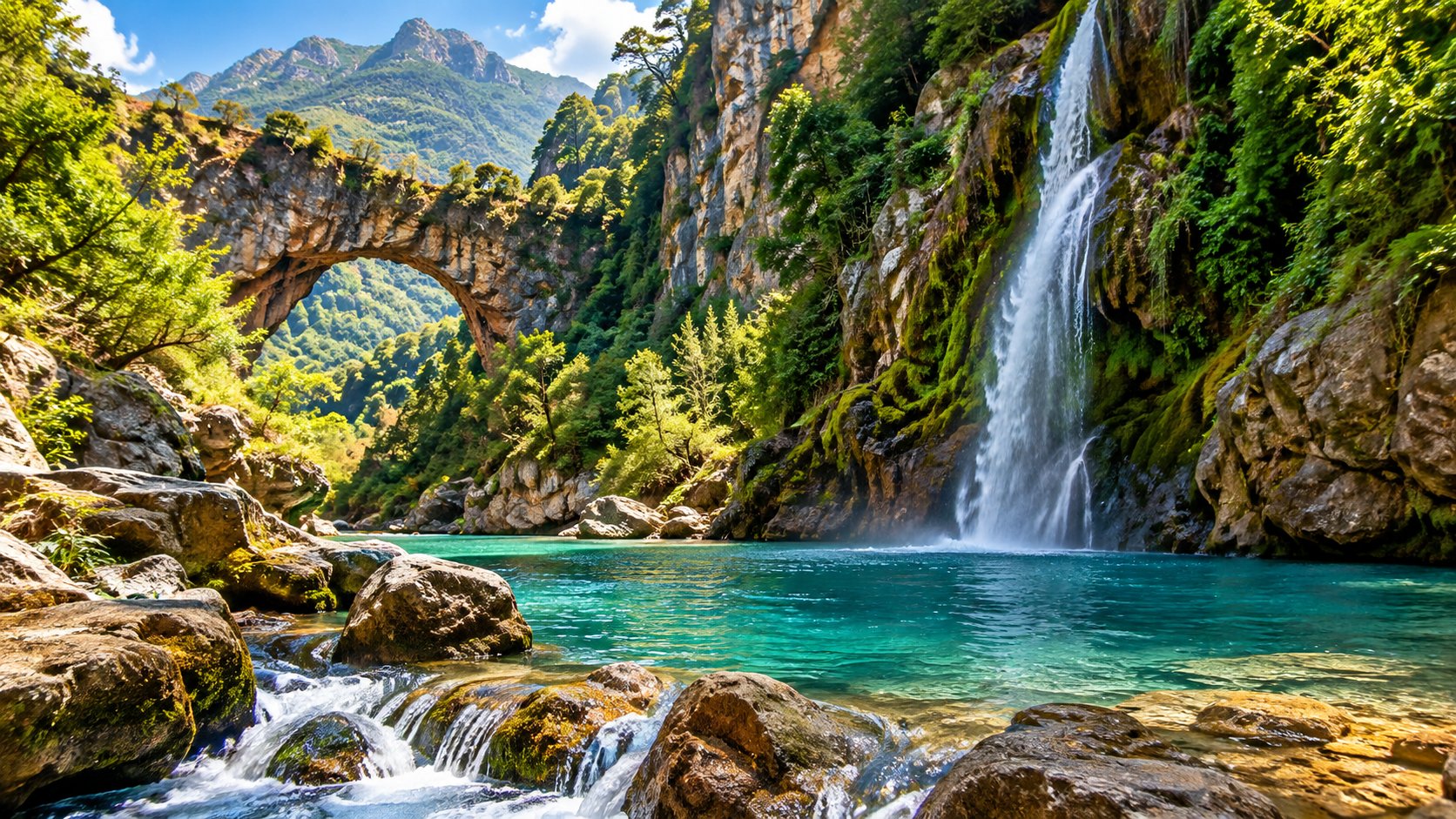
Akchour Waterfalls, Chefchaouen/Morocco: From Blue Streets to the Quiet Heart of the Rif

8h ago(The Sightseer)
A Journey from the Blue Medina to the Rif Mountains
There was something almost dreamlike about waking up in Chefchaouen. The walls were blue, the morning light was soft, and every narrow alley of the medina seemed to lead somewhere unexpected. I spent my first hours simply walking without a strict plan, passing blue-painted stairways, tiny shops, woven textiles, handmade baskets, pottery, and colorful souvenirs.
Chefchaouen's medina is not just beautiful to look at. It is a place where daily life happens in front of you. Local artisans display their work in small shops, while cafés fill the corners with the scent of fresh bread, mint tea, and slow-cooked tagine. The Moroccan National Tourist Office also highlights the medina, traditional crafts, local food, and surrounding Rif mountain trails as essential parts of the Chefchaouen experience. citeturn0search1
But after spending time among the blue walls, I wanted to see what was beyond the city.
That was how Akchour entered my journey.
Akchour Waterfalls: A Green Escape from Chefchaouen
Akchour is around 30 kilometres from Chefchaouen, inside Talassemtane National Park in the Rif Mountains. The journey itself felt like part of the adventure. I left the blue city behind and watched the landscape slowly change into rugged mountain roads, valleys, and deep green hills. citeturn0search0turn0search4
The easiest option for independent travelers is a shared grand taxi from Chefchaouen to Akchour. A shared seat generally costs around 25–30 MAD per person each way, and the drive takes roughly 35–45 minutes, depending on road conditions and how quickly the taxi fills. There is no regular public bus service directly to Akchour. citeturn0search2turn0search3
Once I reached Akchour, the atmosphere changed completely. The sound of the city disappeared, replaced by flowing water, birdsong, and the occasional laughter of hikers.
The trail follows the river through a rocky gorge surrounded by trees and moss-covered stones. Along the way, small cafés and simple food stalls offer places to rest. Sitting beside the river with a glass of Moroccan mint tea or a plate of tagine felt far more memorable than eating in a busy restaurant.
Choosing the Trail: Waterfalls or God's Bridge?
Akchour offers more than one experience.
The trail toward the Grande Cascade, or Great Waterfall, follows the river through pools, rocks, and small crossings. The waterfall is one of the highlights of the area, with the tallest cascade reaching close to 100 metres according to Moroccan heritage information. citeturn0search0
Another route leads toward Pont de Dieu, or God's Bridge, an impressive natural rock arch shaped by the river and limestone erosion. The two routes offer different experiences, so travelers can choose according to their time, fitness, and weather conditions. citeturn0search4turn0search6
I loved the fact that the journey was not only about reaching a waterfall. The real experience was the walk itself: stepping carefully across stones, stopping beside turquoise pools, watching the sunlight move through the trees, and looking back toward the dramatic Rif landscape.
Rif Mountain Views and a Slower Kind of Travel
What stayed with me most was the contrast.
Chefchaouen felt intimate and artistic, with its blue walls and handmade crafts. Akchour felt wild and spacious. Together, they created a travel experience that felt much deeper than simply visiting a famous photo spot.
From the mountain paths, I could understand why the Rif Mountains are such an important part of Chefchaouen's identity. The landscape encourages you to slow down. You notice the texture of the rocks, the sound of water, the smell of herbs and earth, and the small details of rural life.
Back in Chefchaouen, I returned to the medina in the evening. I browsed local handicrafts again, picked up a small souvenir, and found a quiet place for dinner. A warm tagine, fresh bread, and Moroccan mint tea were the perfect ending to a day that had begun among blue walls and ended deep in the mountains.
Practical Tips for Visiting Akchour
Entrance Fee and Costs
There is no official entrance ticket for Akchour Waterfalls/Talassemtane National Park. The main expenses are transportation, food and drinks, and optional guiding services. A shared grand taxi from Chefchaouen is typically around 25–30 MAD per person each way. citeturn0search0turn0search2
What to Bring
Wear shoes with good grip because the limestone rocks beside the river can become slippery. Bring drinking water, sun protection, a small towel or swimsuit if you plan to enjoy the natural pools, and some cash for taxis and local cafés.
Most importantly, check the weather before hiking. River valleys can become dangerous during or after heavy rain.
Respect Local Culture
Chefchaouen is a lived-in city, not simply a backdrop for photographs. When photographing local people or artisans, ask permission first. Dress respectfully, especially away from tourist-heavy areas, and avoid blocking narrow streets while taking photos.
When buying crafts, take time to speak with the seller and appreciate the work behind the handmade products. A simple greeting, a smile, and respectful bargaining can make the interaction feel much more genuine.
The Memory I Took Home
I came to Chefchaouen expecting blue streets and beautiful photographs.
What I found was something quieter.
I found artisans working with their hands, the smell of mint tea drifting through the medina, mountain roads disappearing into the Rif, and the sound of water following me through the Akchour valley.
Some journeys stay with you because of what you see.
This one stayed with me because of how slowly I experienced it.
And somewhere between the blue walls of Chefchaouen and the rushing water of Akchour, Morocco felt less like a destination and more like a story I had briefly become part of.
Practical Travel Tips
- How to get thereMost locations are accessible via central public transport or local taxi apps. Plan your route in advance.
- Best time to visit*April to June** is generally a good period for visiting because spring brings greener scenery and stronger waterfall flow. **September and October** can also be pleasant, with milder temperatures and fewer visitors than the busiest summer period. Summer can be very warm on exposed sections of the trail, while heavy rain can make rocky paths and river crossings slippery or hazardous. citeturn0search2turn0search10
Local Culture
- Always ask for permission before taking photos of local residents.
- Carry small cash for traditional markets or street food vendors.
- Dress respectfully when visiting historical or religious sanctuaries.
Related Stories
No related stories found.
Top Experiences
No experiences found.
Forums Community
Join the forum community.
Upcoming Meetups
No meetups scheduled.
Inspired by this story?
Discover amazing local experiences and read more authentic travel journals from around the world.
Verified Real-World Travel Report
This travel story serves as a real-world case study for neighborhood exploration. The contributor has personally visited the site, verified transportation costs, and documented safety protocols to ensure accurate, resident-verified guidance for future community travelers.
Verified Sources & Geolocation References▼
This travel guide incorporates details verified against official geolocation databases and international guidelines: